
Table of Contents
Sugar dating has gained ground in Latin America, from the vibrant streets of Mexico City to the elegant avenues of Buenos Aires. But, let's be honest, not all that glitters is gold. In this world there are those who try to sneak in false agreements that end in bitter disappointments.
As a writer with years of documenting these social dynamics, I confess I've seen it all. Stories of genuine connections that transform lives, but also accounts of fraudulent profiles that leave emotional and sometimes financial scars. Today I want to share with you the tools to navigate this territory astutely and protect yourself from those who seek to take advantage.
The sugar dating scene in our Latin American cities
In Latin America, sugar dating is not simply an imported fashion; it has adapted to our way of being, with that unique blend of human warmth and social caution that characterizes us. Think about how dating works in Medellín, where encounters tend to extend into a good after-dinner conversation, chatting about everything while time seems to stand still. Contrast this with Santiago de Chile, where the faster pace of urban life makes for more direct and structured encounters.

The truth is that in places like Lima or Cartagena, social networks and WhatsApp play a fundamental role in connecting, but they also open the door to dubious profiles. Digital anonymity can be a double-edged sword. And let's not forget the weight of the family in more conservative countries, such as Ecuador or Costa Rica, where social appearances matter a lot and the famous «what people will say» is still relevant.
Notice that in massive events like the Copa Libertadores or music festivals like the Corona Capital in Mexico, that collective passion resembles the initial excitement of a promising match on a dating platform. But of course, not every match ends in victory.
On the other hand, in cosmopolitan cities such as São Paulo, Panama or Buenos Aires, cultural diversity makes these arrangements more open and less socially judgmental. Even so, they are also more prone to sophisticated deception. I have to admit that, in my experience covering stories for specialized blogs, I have heard testimonials from people who mistook genuine Latin charm for empty promises wrapped in pretty words.
At the same time, in more traditional areas like Montevideo or Quito, Catholic influence still marks how these relationships are perceived, adding a layer of discretion that sometimes hides false intentions. The truth is that, no matter where you are on the Latin American map, the trick is to recognize the early signs before investing time, energy or emotions.
The red flags you should never ignore
Well, let's start with the basics: if someone avoids face-to-face meetings and just wants to chat forever on WhatsApp, something smells fishy. In Latin America, where the culture of coffee and after-dinner conversation naturally invites you to meet face to face - as in a Palermo park in Buenos Aires or a seaside plaza in Cancun - that constant reticence is a giant red flag waving in front of you.
Inconsistencies in personal histories
Doesn't it seem suspicious when the stories don't add up? Type, says he travels constantly for work, but never mentions specific details about his destinations, projects or meetings. Or he mentions an important executive position, but his vocabulary and knowledge do not match that position. I confess that, in my years covering social issues and relationship trends, I've noticed that phonies often exaggerate their lifestyle.
They compare their lives to the glamorous existences we see on shows like La Casa de los Famosos or MasterChef, but with no real substance behind them. They are pure smoke, as we would say colloquially. And the inconsistencies in photos or profiles, phew, that's classic: images that look like they're taken from photo banks, profiles with no real friends or interactions, non-existent or suspiciously empty Instagram stories.
Avoid real encounters
One of the most obvious signs of a false agreement is the constant refusal to meet in person. You always have excuses for postponing meetings: last-minute trips, recurring family emergencies or scheduling problems that are never resolved. In Latin American culture, where personal contact is fundamental to building trust, this systematic avoidance should set off all your internal alarms.
Requests sensitive information prematurely
Pay close attention if they push for personal information too soon: bank details, exact addresses, detailed work information or compromising photographs, all disguised as «building trust». At its core, this clashes directly with our Latino culture of building relationships one step at a time, getting to know the person first in relaxed social contexts before delving into personal intimacies.
Inconsistent or generic profiles
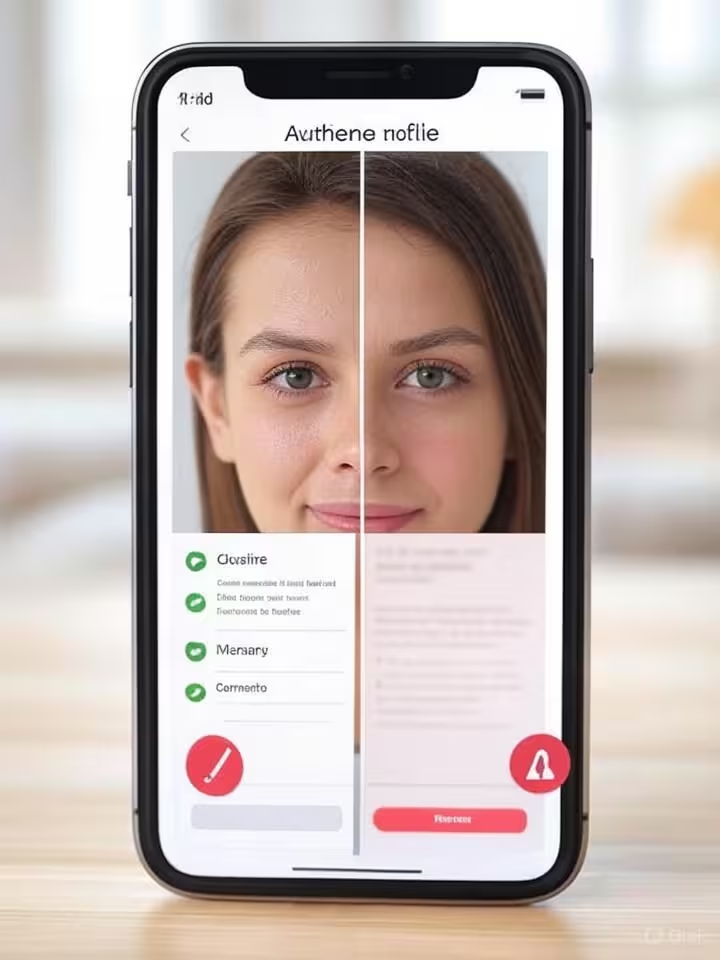
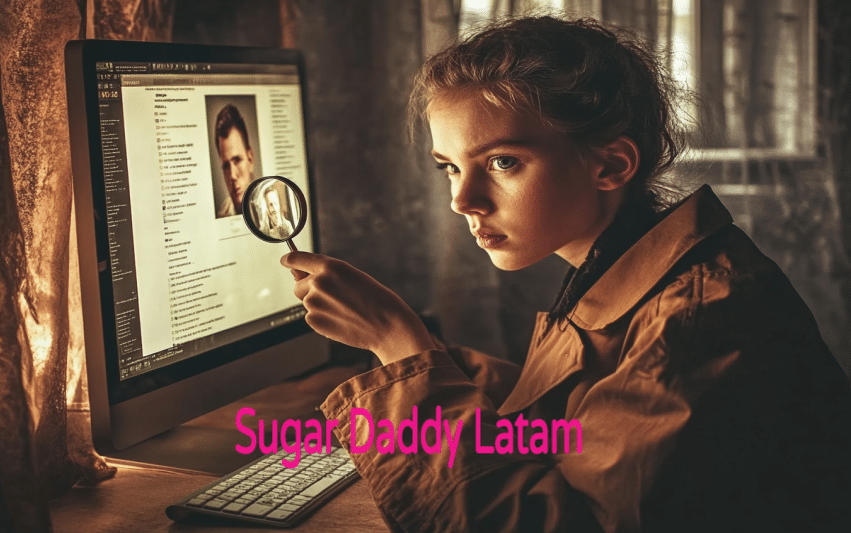
Photos that look overly professional, without casual images or in everyday contexts, are suspicious. Profiles with no verifiable social connections, vague descriptions that could apply to anyone, and the total absence of authentic digital footprints (comments from friends, tags at events, spontaneous posts) should make you hesitate. Use reverse image search tools to verify authenticity.
Pressure for quick decisions
Still, there are more signs to consider. If you feel constant pressure to make quick decisions-»this opportunity won't last long,» «I have other options waiting»-back off immediately. Genuine sugar dating deals are built with patience, mutual respect and honest communication. Apart from that, compare the situation with unexpected metaphors: it's like dancing reggaeton at a party in Punta del Este; if the rhythm doesn't flow naturally and one of the two is forcing the steps, better change partners.
Of course, in cities like Santo Domingo, San Juan or Cartagena, where urban Latin music marks the social pulse and relationships, a false agreement is noticed precisely because of how forced it sounds, because of the lack of that organic chemistry that arises when two people really connect.
Concrete strategies to protect yourself and build something authentic
Document important conversations, but do so naturally. Having a record of what was agreed upon can be useful if you later detect inconsistencies. However, don't turn this into paranoia; it is simply a reasonable measure of protection.
Identity verification
Request video calls before the first meeting. Use Google reverse image search to confirm that profile photos are not stolen. A genuine person will have no problem showing their face in real time or providing basic evidence that they are who they say they are.
Detects inconsistencies
Pay attention to contradictions in the stories they tell you. Ask specific questions about their city, work or interests. Vague or evasive answers indicate a lack of authenticity. Document important details mentally or in writing so you can cross-check them later.
Protect your information
Never share financial data, exact addresses or sensitive information before establishing real trust. No legitimate agreement requires money transfers or bank details before you know each other. Maintain clear boundaries and respect them no matter what excuses you hear.
However, in order to avoid falling into elaborate traps, the first thing to do is to setting clear boundaries from the beginning of any interaction. Let's say you're chatting with someone on a platform like specialized apps for sugar dating, and propose a quick video call to verify identities. If they flatly refuse or make elaborate excuses, you have an obvious problem.
In Latin America, where WhatsApp is practically the undisputed king for everything - from coordinating a casual outing in Bogota's Zona T to planning a romantic weekend in Cartagena - a video call should be a piece of cake. I have to admit that, in my professional opinion after years of documenting these dynamics, the fundamental key is patience: a true agreement is cooked over a slow fire, like a good bandeja paisa in Medellín or a perfectly prepared asado in Montevideo.
Always check in safe environments
On the other hand, involve a trusted friend to review the profile with fresh eyes. Note that, at the same time, educating yourself about common scam patterns helps tremendously. There are online resources, including government sites about romance scams, documenting fraudulent techniques.

For example, in large cities like Mexico City, Lima or Buenos Aires, where nightlife is vibrant and diverse, opt for first dates at public events: concerts by artists like Bad Bunny, food festivals, art exhibitions in Polanco or Palermo. This allows you to see if the chemistry is real in a relaxed but safe context. When you think about it, this not only protects you against fake profiles, but genuinely enriches the experience of getting to know each other.
Of course, if something feels strange or uncomfortable, trust your Latin instinct, the one that makes us detect lies in an eternal after-dinner conversation or sense when someone is not being completely honest. By the way, have you thought about how authentic sugar dating can compare to winning the Liga MX or qualifying for the Copa Libertadores? It requires careful strategy, preparation, a bit of luck and, above all, genuine players on both sides.
Communicate clearly from the beginning
Transparent communication is critical. Before you meet someone, set clear expectations about what you are looking for in the arrangement. Talk openly about personal boundaries, frequency of meetings, expected level of emotional commitment and other relevant aspects. This initial conversation may seem awkward, but it quickly filters out those who are not on the same page or have hidden agendas.
Also, keep the first financial conversations in general terms and never transfer money before establishing a verified in-person relationship. Any request for «urgent financial help» before you meet face-to-face is a giant red flag that you can't ignore.
The importance of specialized and reliable platforms
Choosing where to look for sugar dating connections makes a significant difference in your safety. Specialized and serious platforms implement verification measures, profile moderation and systems for reporting suspicious behavior, reducing risks considerably.
Sugar Daddy Latam offers a space designed specifically for Latin American audiences, understanding the cultural particularities of our region. Unlike generalist applications or international sites that do not consider our context, a regional platform facilitates more authentic connections between people who share similar cultural references.
In addition, communities like Sugar Daddy Latam provide safe spaces to exchange experiences, ask questions and learn from others navigating the same world. These specialized social networks allow you to be better informed, to understand which practices are normal and which ones should alert you.
Serious platforms also provide educational resources on security, tips for successful first dates and guidance on how to establish clear agreements. This informative accompaniment reduces your vulnerability to potential scams because it better prepares you to recognize them.
Avoid looking for connections on traditional dating apps where sugar dating is just a minority subset. In those spaces, fake profiles are more abundant because there is no specific moderation for this niche. The specialization of a platform translates directly into greater security for its users.
The Latin American cultural side that makes a crucial difference
Let's face it: in our diverse Latin America, sugar dating is not the same in all countries and cities. In nations like Colombia or Mexico, with their fascinating mix of tradition and cosmopolitan modernity, you have to carefully navigate family and social expectations without unnecessarily exposing yourself to risk. Imagine a date on Santo Domingo's Malecon at sunset, where the Caribbean breeze naturally invites honesty and free-flowing conversation, but also inevitably attracts opportunists looking to take advantage of tourists or vulnerable people.
The truth is that in more conservative areas such as Quito, Guayaquil or San Jose, Costa Rica, the traditional Catholic influence makes discretion absolutely essential to protect personal and family reputations. But that in no way means lowering one's guard with regard to verifying identities and intentions. Be careful, because in cities with economic booms such as Panama, Punta del Este or exclusive areas of Santiago, the growth attracts diverse international profiles: some genuine and fascinating, others definitely not so much.
The importance of the social and family context
And never underestimate the transformative power of open communication adapted to our cultural context. In Latin American societies where «what people will say» still matters - from Monterrey to Cordoba, from Cali to Miraflores in Lima - understanding how to manage privacy without falling into suspicious secrecy is a delicate art. Maintaining appropriate discretion is essential, but never at the expense of your personal safety.
At its core, avoiding false agreements is about intelligently balancing that characteristic Latin warmth with a token of trustworthiness.than healthy and protective skepticism. I confess that after years of writing about these issues, researching real cases and drinking coffee in more Latin American cities than I can count, I firmly believe that the real value is in connections that respect our regional cultural diversity.
From the unbridled passion for soccer in the Copa Libertadores to the viral trends that dominate TikTok and Instagram throughout the region, to the importance of festivities such as Day of the Dead in Mexico, Carnival in Brazil and Colombia, or New Year's celebrations throughout Latin America. All of this is part of the cultural context that defines how we relate to each other.
What to do if you have already fallen into a false agreement?
If you suspect that you are already involved in a fraudulent situation, act quickly.
- First, cut off all communication immediately without giving elaborate explanations that can be manipulated.
- Second, document all conversations, transfers (if any) and evidence of the fake profile.
- Third, report the profile on the platform where they met and, if there were significant financial losses, consider making a formal complaint to the local authorities.
Also, talk to someone you trust about the situation. Isolation and shame are tools that scammers use to maintain control. Breaking that silence is the first step to recovering emotionally and avoiding falling into similar patterns in the future. Remember that building lasting and genuine relationships requires time and patience.
Reliable platforms and support communities
So where can you look for more secure connections? Apart from specialized apps that have verification systems, there are communities like Sugar Daddy Latam, a social network designed specifically for those who are exploring sugar dating in a serious and safe way. These platforms usually have more rigorous verification processes and active communities that can guide you.
It is also useful to participate in forums and educational resources on modern relations, where you can learn from shared experiences without unnecessary exposure. Continuing education on contemporary relational dynamics empowers you to make informed decisions.
Verify identities carefully
Before any personal meeting, use video calls to confirm that the person is who he/she says he/she is. Look for inconsistencies between what they show on social media and what they present on the sugar dating platform. Use reverse image search tools and verify profiles on multiple social networks. A genuine person will have no problem proving their authenticity in verifiable and transparent ways.
Build a support network
Don't navigate sugar dating completely alone. Share basic details of your dates with trusted friends: where you're going to be, who you're meeting and when they expect you back. Participate in online communities where you can ask questions and get advice from more experienced people. A support network not only protects you physically, but also provides valuable perspectives that can help you identify suspicious situations you may not notice on your own.
Trust your intuition
Your instinct is a powerful tool that you shouldn't ignore. If something feels strange, uncomfortable or too good to be true, it probably is. Don't be pressured by the emotion of the moment or fear of missing an opportunity. Authentic connections are built with time, patience and mutual respect. If someone is genuinely interested in you, they will respect your pace and safety precautions without question or undue pressure.
Key differences between genuine and counterfeit agreements
Recognizing the fundamental differences between a genuine and a fraudulent arrangement can save you a lot of grief. In a genuine agreement, both parties are transparent about their expectations, limitations and what they can really offer. There is two-way communication where your questions are answered patiently and your boundaries are respected without discussion.
On the contrary, in fake agreements you will find constant evasions, pressure to move quickly without really getting to know each other, and an asymmetry where only one party asks questions while the other remains mysterious. The genuine person will be willing to meet you in person in public and safe places, while the scammer will always find creative excuses to postpone or avoid face-to-face meetings.
In addition, understand the differences with conventional relationships helps you to have realistic expectations and recognize when something doesn't fit the normal sugar dating standards.
The value of continuing education in sugar dating

Staying informed about current trends, new scam techniques and best practices in sugar dating is an investment in your safety and well-being. Read specialized blogs, participate in forums where real experiences are shared, and don't hesitate to ask questions when something is not clear to you. The sugar dating community in Latin America is growing, and with it, so is the collective knowledge of how to navigate this world safely.
Some useful resources include articles on genuine compatibility in sugar dating, The first step is to use these tools to help you assess whether a connection has real potential beyond superficial first impressions.
Frequently asked questions about false agreements in sugar dating
Common signs include: constant refusal to meet in person, photographs that look too professional or taken from image banks, inconsistent or vague personal histories, profiles with no verifiable social connections, pressure to make quick decisions, early requests for sensitive personal or financial information, and evasiveness in answering direct questions about their life, work or real intentions.
Make video calls before the first meeting to confirm their visual identity. Use Google reverse image search tools to verify that their photos are not taken from other profiles or image banks. Check their social networks for consistency in stories, real connections and organic activity. Ask for verifiable references if appropriate. Involve a trusted friend to review the profile with an outside perspective. Trust your instincts if something doesn't add up.
In Latin America, WhatsApp is essential for communication, but wait until you have some basic trust before sharing your number. Consider using calling or video calling features within the dating platform first. When sharing your WhatsApp, adjust your privacy so that strangers do not see your profile picture, status or last connection. Never share your real-time location or sensitive information until you have met the person multiple times.
Act immediately: contact your bank or transfer service to report the fraudulent transaction and request its reversal if possible. Document all conversations, screenshots and details of the transfer. Report the profile on the platform where you met. File a formal complaint with local authorities if the amount is significant. Talk to someone you trust about what happened. Learn from the experience to avoid similar situations in the future and don't blame yourself: scammers are professional manipulators.
Basic scamming techniques are similar throughout the region, but there are cultural variations. In more conservative countries such as Ecuador or Costa Rica, scammers may exploit fear of «what people will say» to keep their victims silent. In cosmopolitan cities such as Buenos Aires, Bogota or Mexico City, scams can be more sophisticated, mimicking successful urban lifestyles. In tourist areas such as Cancun, Cartagena or Punta del Este, international scammers operate by taking advantage of the mix of cultures. Regardless of the country, the basic warning signs remain constant.
Final Reflection: Building Authentic Connections in Latin American Sugar Dating
At the end of the day, sugar dating can turn into a tremendously enriching adventure if you navigate this world with your eyes wide open and your heart guarded but receptive. Genuine connections definitely exist, but they require patience, discernment and a constant commitment to your own safety and emotional well-being.
Reflect honestly on your experiences, adjust your approach based on what you learn from each interaction, and always keep your personal values and boundaries at the forefront. Maintaining authentic and lasting relationships in sugar dating is entirely possible when both parties are committed to honesty and mutual respect.
And who knows, you may find exactly what you're looking for amidst the vibrant and diverse Latin cities we love: from an intimate café in Polanco to a shared sunset on the beaches of Cartagena, to an elegant dinner in Puerto Madero or a deep conversation on a rooftop in El Poblado. The important thing is that you get there in a safe, informed and empowered way.
Authentic sugar dating celebrates genuine human connection, mutual growth and shared experiences that enrich both lives. Don't let scammers rob you of the opportunity to experience these wonderful possibilities. Be vigilant, trust your Latino intuition, and never compromise your safety for the promise of a connection that seems too perfect to be real.

 Español
  Português do Brasil
  English
One comment:
Griselda
8 July, 2025 at 11:50 am
One way to identify bogus deals is: profiles with little information, poor quality photos or photos that look too perfect, lack of consistent communication and, especially, requests for money or sensitive personal information.